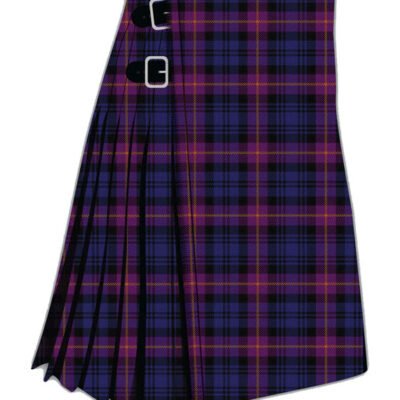
Clan Sutherland Ancient Tartan Kilt
Original price was: $349.$149Current price is: $149.Clan Sutherland Ancient Tartan Kilt
There’s something quietly powerful about wearing your family tartan. It’s not just a color combination or a weaving style — it’s a thread connecting you to a place, a name, a lineage that stretches back further than most modern things do. That’s why people take clan tartans seriously, even when they’re not entirely sure of their heritage.
Scottish clan tartans have been used for centuries to identify families across the Highlands and beyond. Each pattern is specific — subtle differences in color, stripe width, and crossing lines that, to the trained eye, tell you exactly which family you’re looking at. MacLeod looks nothing like Campbell. Armstrong has its own weight. And searching for clan tartans by surname still sends people down genuinely interesting rabbit holes about their own history.
It’s not just Scotland either. Irish clan tartans have grown in recognition over the years, with families of Irish descent tracing their roots through color and plaid just as Scottish families do. The tradition carries differently — perhaps with less formality — but the sense of belonging is the same.
What you’ll find here is a broad range. Over five thousand highland clan tartans, organized and searchable, covering both well-known family names and some you might have to look twice to find. Whether you’re buying for a wedding, a Highland games event, or simply because you found your surname in the tartan register and want to wear it properly — there’s a kilt waiting for you.
Custom sizing is available, which matters more than people realize with kilts. Fabric, length, waist, and fastening can all be adjusted. Because a clan tartan kilt worn right — fitted properly, made in the correct pattern — isn’t something you put on and forget. It stays with you.
Showing 601–640 of 713 results

Clan Sutherland Ancient Tartan Kilt

Clan SutherLand Tartan Kilt

Clan Sweeney Tartan Kilt

Clan Taggart Tartan Kilt

Clan Tara Murphy Tartan Kilt

Clan Taylor Ancient Tartan Kilt

Clan Tennessee Volunteer Orange Tartan Kilt

Clan Thompson Camel Tartan Kilt

Clan Thompson Dress Blue Tartan Kilt

Clan Thompson Hunting Ancient Tartan Kilt
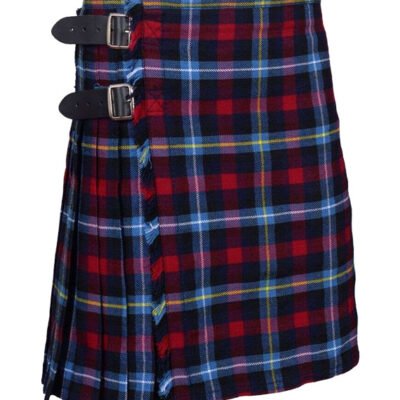
Clan Traditional Glencoe Premium Tartan Kilt

Clan Turner Modern Tartan Kilt
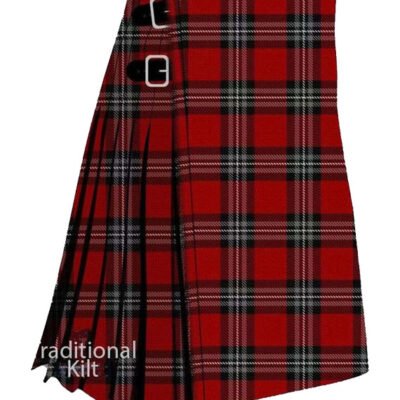
Clan Turner Tartan Kilt
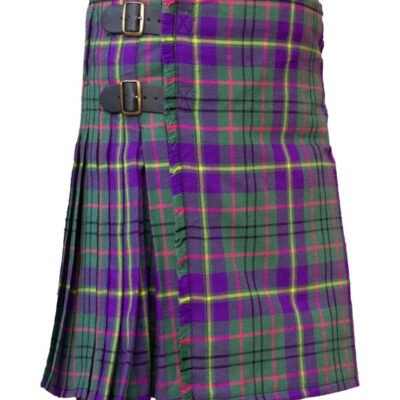
Clan Tyler Weathered Tartan Kilt
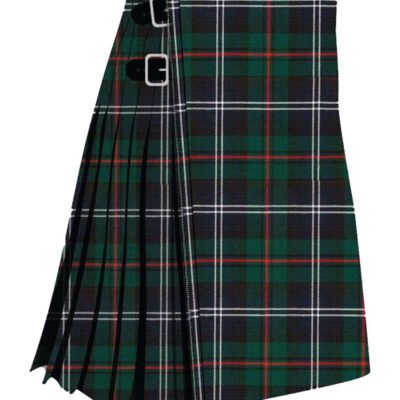
Clan Urquhart Modern Tartan Kilt
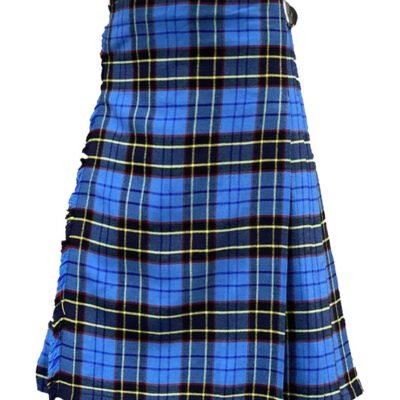
Clan Us Air Force Tartan Kilt
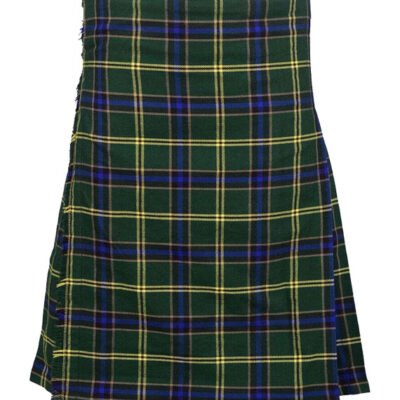
Clan US Army Tartan Kilt


Clan US Merchant Marine Tartan Kilt

Clan US Navy Tartan Kilt

Clan US Polaris Modren Tartan Kilt

Clan US Seabees Tartan Kilt
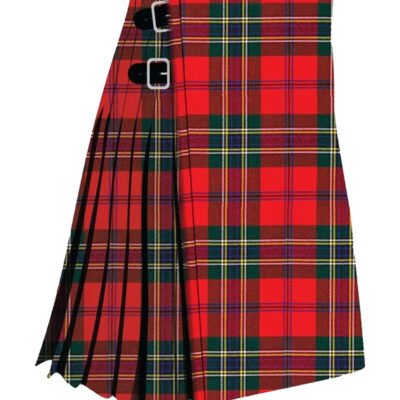
Clan Wales / Welsh Tartan Kilt
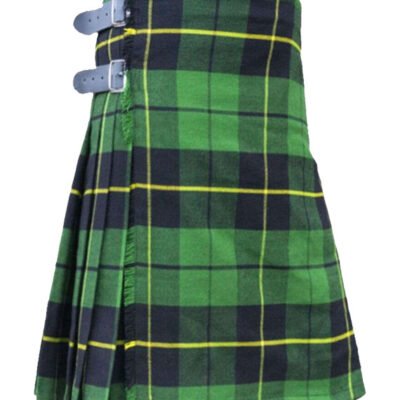
Clan Wallace Hunting Tartan Kilt

Clan Walsh Tartan Kilt

Clan Watson Tartan Kilt

Clan Welsh Tartan Kilt

Clan West Point Tartan Kilt

Clan Westmeath Tartan Kilt
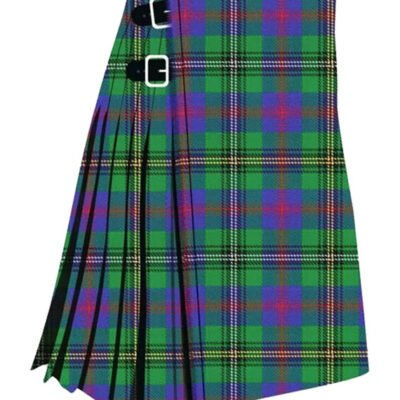
Clan Wood Family Tartan Kilt
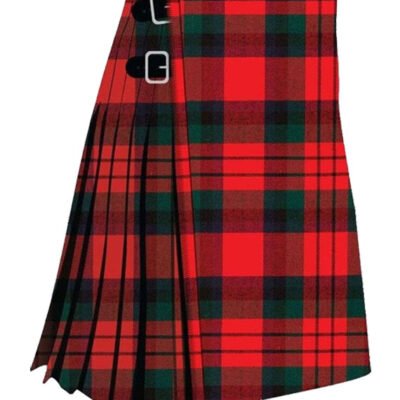
Clan Wool Blend MacDuff Premium Tartan Kilt

Clan World Peace Tartan Kilt

Clan Yorkshire Premium Tartan Kilt
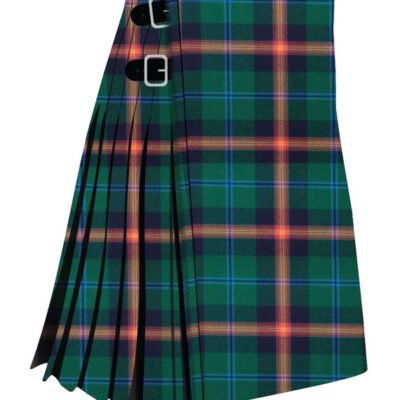
Clan Young Modern Premium Tartan Kilt
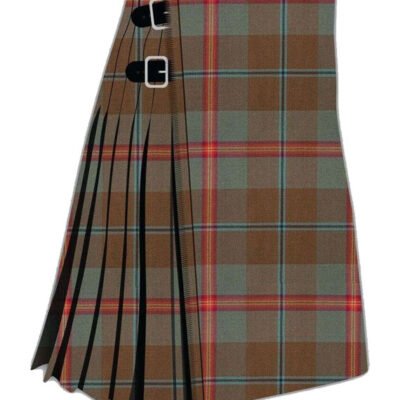
Clan Young Weathered Tartan Kilt
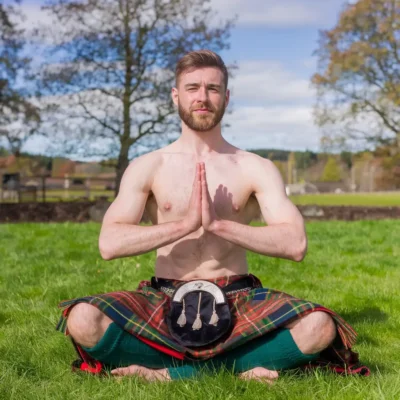
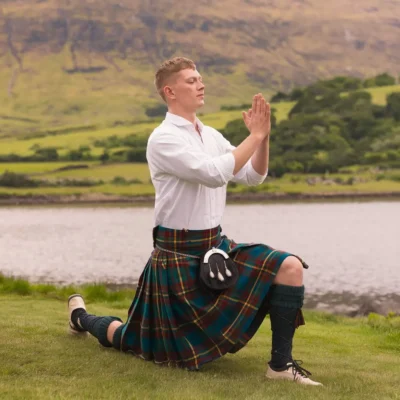
What’s the Difference Between a Yoga Kilt and a Traditional Kilt?
The main difference between a Yoga Kilt and a Traditional Kilt is the weight and pleats. Yoga Kilts are lightweight with fewer pleats, allowing for greater flexibility and ease of movement, making them perfect for yoga and active wear. On the other hand, Traditional Kilts are heavier with more pleats, providing a structured and classic appearance. Traditional kilts are typically worn with accessories like a sporran, hose, flashes, and more, making them ideal for formal occasions, cultural events, and ceremonies. If you’re looking for comfort and mobility, the Yoga Kilt is the perfect choice, while the Traditional Kilt offers heritage and elegance.

Clemson University Tartan Kilt

Clergy Green Tartan Kilt

Clifford Ancient Tartan Kilt

Clifford Modern Tartan Kilt
A kilt that fits right is a kilt that looks great! Use our comprehensive size guide to measure your waist, hip, and length accurately.
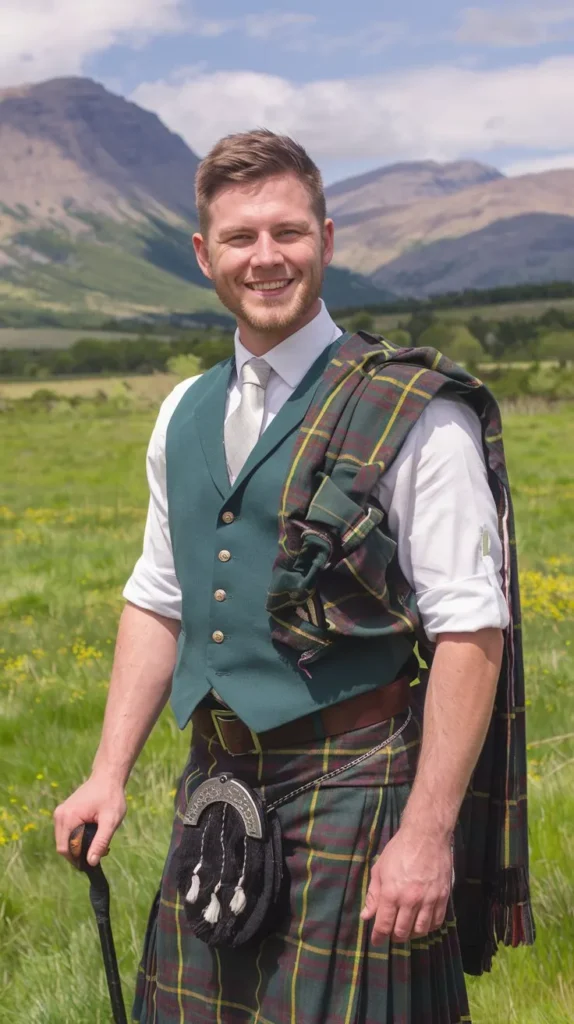
📌 Pro Tip: If you want to wear a kilt like a real Scotsman, don’t forget to pair it with a fly plaid and measure correctly for the best look.

A: Tartan plaid kilts are woven with traditional Scottish clan tartans, while other kilts may feature solid colors or modern designs.
Yes! Our kilts are crafted from high-quality acrylic wool and poly-viscose blends for durability and comfort.
Absolutely! We offer custom tartan kilts where you can select your preferred pattern and sizing.
Ordered my kilt for a wedding, and it was absolutely stunning. Great craftsmanship!
The best tartan plaid kilt I’ve ever owned! The fabric quality is top-notch, and the fit is perfect.
Most people, when they first see a tartan kilt hanging in a shop or worn at a Highland games event, notice the color first. The bold crossing lines, the way certain combinations feel almost familiar even if you’ve never seen that specific pattern before. It’s hard to explain why tartan has that effect. Maybe it’s the geometry of it — structured, but not rigid. Or maybe it’s something older, something the fabric carries without trying.
Clan tartans have been doing that for a long time. They’re not decorative in the way that word usually gets used. They’re identificatory. Each pattern belongs — or at least traces back — to a specific family name, region, or historical group across Scotland and Ireland. That specificity is part of what makes them interesting, and why people still search so carefully for the right one.
There’s a fair amount of mythology around this, and it’s worth separating the romantic version from the historical one. Scottish clan tartans as we know them today were largely formalized in the 19th century, around the time of King George IV’s visit to Scotland in 1822. Before that, tartans were often regional rather than strictly family-specific — the pattern someone wore might tell you where they were from more than who they descended from.
That doesn’t make them less meaningful. If anything, it makes them more interesting. The patterns evolved, names got attached, families adopted specific color combinations, and over generations those associations became real in the way traditions always do — through repetition, ceremony, and quiet inheritance.
Today, scots clan tartans are registered and documented. There are official registries. You can search clan tartans by surname and find something with a documented history. Some families have multiple variants — a hunting tartan, a dress tartan, an ancient version with softer colors meant to approximate older dye techniques. It’s surprisingly deep once you start looking.
The Irish relationship with tartan is less formalized historically, but it’s genuine. Ireland and Scotland share a Celtic heritage, and clan culture existed on both sides of the water. Irish clan tartans tend to lean into county-specific patterns and family names with strong Gaelic roots — O’Brien, Murphy, Fitzpatrick, Kelly. Some are relatively modern in their formal registration, but the sentiment behind them is old.
For Irish-descended families outside of Ireland — in the US, Canada, Australia — wearing an Irish clan tartan carries a particular weight. It’s a way of naming something that might otherwise just feel like background identity. Putting on a kilt in your family’s tartan, especially at a gathering or celebration, is a way of saying: this is where we’re from. Even when “where we’re from” is complicated and stretches across generations and oceans.
That emotional specificity is hard to replicate with a generic pattern. It’s one of the reasons people go looking for their exact clan tartan rather than simply picking something that looks nice.
There’s something about highland clan tartans specifically that feels more grounded than modern textile design. The colors tend to be earthier — deep greens, navy blues, muted reds, browns that almost look like heather or peat. That’s not accidental. The “ancient” colorways in particular are designed to approximate what natural vegetable dyes would have produced centuries ago, before synthetic alternatives came along.
Modern versions often have sharper, more saturated colors. Weathered or muted versions soften those tones deliberately. Which one you prefer says something about what you’re looking for — perhaps a traditional aesthetic that reads as genuinely old, or a cleaner, more visually punchy version that photographs better at contemporary events.
Neither choice is wrong. It depends on the occasion, the styling, and honestly just personal preference. Some people see the ancient colorways and feel an immediate connection. Others find the modern palette more wearable. Both are valid.
What stays consistent regardless of version is the structure of the pattern itself — the sett. That’s the technical term for the sequence of colors and thread counts that defines a particular tartan. Change the sett and you change the clan identification. The sett is the thing that’s registered and preserved.
One of the most common entry points into this category is simply searching for your own family name. Clan tartans by surname searches spike around ancestry events, Scottish Highland games seasons, St. Andrew’s Day, Burns Night, and family reunions. People who have known vaguely for years that their grandmother was a MacDonald or their grandfather came from the Campbell side of something suddenly want to make that concrete.
The good news is that the range of clan tartans in Scotland’s documented registry is genuinely broad. Over five thousand registered patterns exist, covering not just major Highland clans but also smaller family names, regional affiliations, Irish counties, and diaspora communities. If your surname doesn’t have a dedicated clan tartan, there are often associated family tartans, district tartans for the region your family came from, or universal options like the Black Watch that have historical significance across many groups.
Custom kilts in your specific tartan aren’t as complicated to order as people sometimes assume. The key measurements are waist, hips, and length. Most makers work from the registered sett to produce the correct pattern. The customization options — weight of fabric, fastening style, whether you want pockets, the number of pleats — are secondary decisions that become clearer once you’ve confirmed the tartan itself.
The honest answer is a wider range of people than you might expect.
There are purists — people with deep roots in Scottish or Irish heritage who wear their family tartan at every appropriate occasion and know the history of the pattern in detail. They’re often the ones who can tell you the difference between the hunting and dress versions of their tartan without looking it up.
Then there are the occasion wearers. Weddings, funerals, Highland games, themed events, St. Patrick’s Day, Burns Suppers. People who own one kilt and wear it intentionally a handful of times a year. For them, choosing the right clan tartan felt important, and it was — because they wanted to wear something with meaning rather than something arbitrary.
And then there are the people drawn to tartan for aesthetic reasons who discover, perhaps unexpectedly, that it connects to something real. Someone who picks a green and navy tartan because they like the color combination, looks up the clan name, and realizes it’s actually their mother’s maiden name. That kind of discovery happens more than you’d think.
There’s also a growing group who aren’t Scottish or Irish at all but have a genuine appreciation for Celtic attire and Highland fashion as a cultural expression. Tartan has moved through enough subcultures — punk, alternative, contemporary streetwear — that it carries multiple meanings simultaneously. A traditional clan tartan kilt worn to a formal Scottish dinner and the same pattern worn to a music festival are genuinely different experiences of the same garment.
Wool is the traditional choice, and for good reason. It holds pleats well, drapes with natural weight, and has a texture that reads as authentic in a way synthetic fabrics don’t quite replicate. For formal occasions especially, a wool or wool-blend kilt in your clan tartan feels noticeably different from lighter alternatives.
That said, acrylic wool and polyviscose blends are common and practical. They’re lighter, easier to care for, less prone to wrinkling, and more comfortable in warmer conditions. If you’re planning to wear the kilt regularly rather than saving it for special occasions, a blend fabric often makes more sense for daily practicality.
The weight of the fabric matters too. Heavier kilts — closer to traditional 8-yard or 10-yard cuts — carry more visual authority and move differently. Lighter cuts are easier to wear and more versatile. Custom sizing across waist and length means you can get the proportions right regardless of which weight you choose.
Pleating style is another consideration some buyers overlook. Box pleats are flatter and more structured. Knife pleats create sharper folds and a more traditional Highland silhouette. Some makers offer both; others work in one style by default. Worth asking about before ordering if that detail matters to you.
If you’re searching for a specific clan tartan by surname, take a moment to verify the name against a registered tartan index. Some names have multiple registered variants, and the differences between them — even if subtle — might matter to you depending on your family’s regional origins.
Waist measurement for a kilt sits higher than trouser measurement. This catches people off guard. Measure at the natural waist, not where you typically wear trousers, and you’ll avoid the most common fit problem.
If you’re unsure which variant of your clan tartan to choose — ancient, modern, hunting, dress — consider where you’ll wear it most. Hunting tartans tend toward greens and browns and read as more casual. Dress tartans often incorporate white or silver and feel more formal. The modern colorway is typically the most visually striking; the ancient version is softer and quieter.
There’s something that shifts when you put on a kilt in your family’s tartan for the first time. It’s hard to articulate without sounding overly sentimental, but it’s real. Something about wearing a pattern that has a name attached to it — your name, or something close to it — feels different from wearing a generic garment.
Maybe that’s the whole point of clan tartans. Not the history lesson, not the aesthetic choice, not the occasion dressing — though all of those matter. It’s the sense that clothing can carry something forward. That a weave of wool or wool-blend fabric in specific colors can, in a small and quiet way, hold identity across generations.
That’s worth something. Perhaps more than it initially seems.
No products in the cart.