Kilts and Skirts for Women – Modern & Traditional Styles
Somewhere between tradition and everyday fashion… that’s where women and kilts really come alive.
Browse a mix of traditional and modern women’s kilt skirts designed for every style and occasion.
The line between kilts and skirts has become a bit blurred lately—and honestly, that’s not a bad thing. Women today want options that feel both structured and comfortable, something that looks intentional but still easy to wear. That’s exactly where women’s kilt skirts come in.
Some prefer traditional tartan styles, others lean toward modern cuts that feel closer to everyday skirts. Either way, this collection brings together both worlds in a way that feels natural.
WHY WOMEN CHOOSE KILTS & SKIRTS
KILTS VS SKIRTS – WHAT’S THE DIFFERENCE?
It’s a question that comes up a lot. A skirt is simple—it’s sewn, it drapes, and that’s about it. A kilt skirt womens style, though, has more structure. The pleats are sharper, the wrap design adds shape, and the overall look feels a bit more intentional.
So while they look similar at first glance, once you wear one, the difference becomes pretty clear.
STYLING IDEAS FOR WOMEN AND KILTS
REVIEWS
FAQs
Kilts and Skirts That Feel a Bit More Personal Than Ordinary Fashion:
There’s something interesting about the way a good kilt or skirt changes the feel of an outfit. Not dramatically, maybe. But enough that people notice it without really trying to figure out why. A well-made kilt and skirt piece tends to carry a different kind of structure — more movement, more texture, and honestly, a little more personality than standard everyday clothing.
At first glance, many people assume a kilt is only connected to formal Scottish wear or traditional events. That still matters, of course, but modern styles have shifted quite a bit over the years. These days, a kilt skirt can work in casual wardrobes, alternative fashion, streetwear-inspired outfits, festival clothing, or even quieter everyday looks that lean slightly classic. It depends on the fabric, the cut, and how someone chooses to wear it.
And yes, technically speaking, kilts are skirts in a broad sense. The distinction usually comes down to structure, heritage, pleating, tartan patterns, and how the garment is designed to sit and move. Some people prefer the term “skirt kilt” because it feels more modern or wearable. Others specifically look for traditional tartan pieces. Both approaches make sense in their own way.
What makes these styles appealing is that they don’t feel overly manufactured. A good kilt has shape to it. It swings differently when walking. The pleats hold weight. Even lighter fabrics tend to keep some structure rather than collapsing flat like cheaper fast-fashion skirts often do.
The Appeal of Tartan, Plaid, and Structured Design:
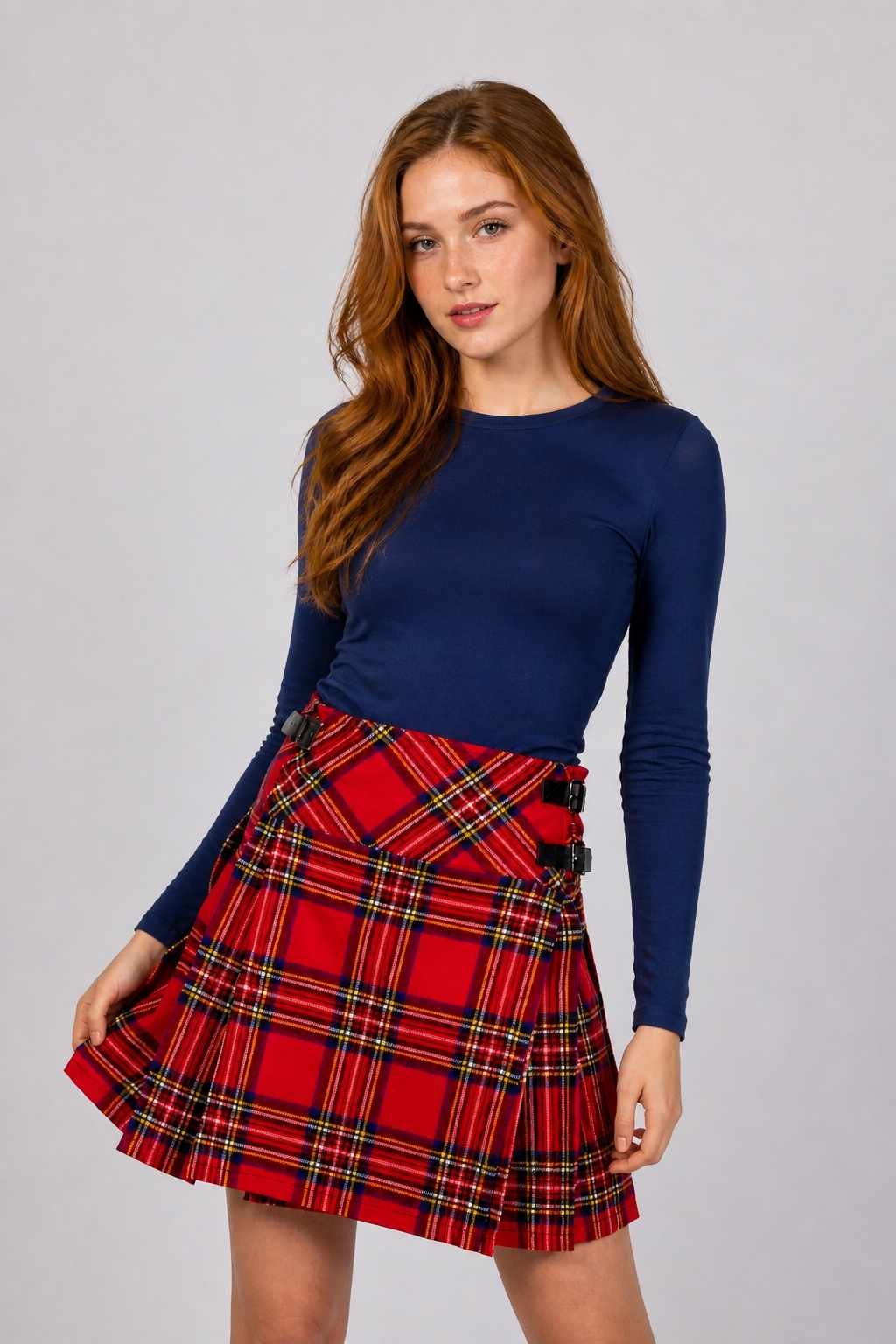
A lot of shoppers start with the classic tartan kilt skirt styles because tartan naturally stands out without needing much extra detail. The pattern itself carries enough visual texture that the outfit rarely feels plain, even when paired with something simple like a fitted sweater or plain black top.
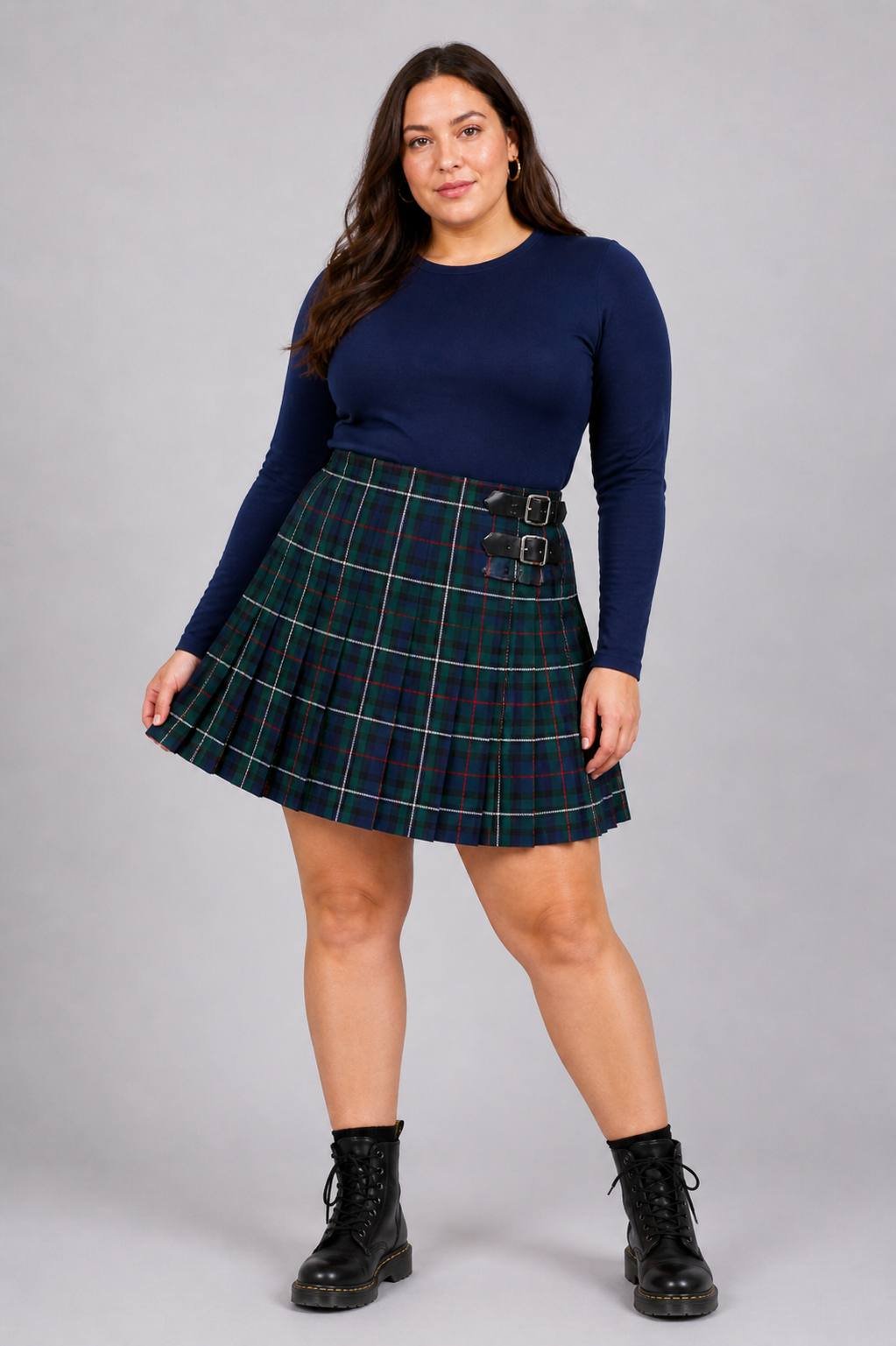
Plaid variations work similarly. A plaid kilt skirt can lean traditional, punk-inspired, vintage, or surprisingly minimal depending on color combinations and pleat depth. Dark green and navy tartans tend to feel more heritage-inspired, while softer beige, grey, or muted red plaids often blend better into contemporary wardrobes.
There’s also something practical about pleated construction that people don’t always mention. Pleats create movement without requiring overly lightweight fabric. That matters more than it sounds. A skirt that moves well generally feels better to wear throughout the day, especially during colder seasons or transitional weather when heavier fabrics become more comfortable.
Some buyers specifically search for a tartan skirt kilt because they want that balance between traditional design and modern styling flexibility. It’s not always about dressing historically. Sometimes it’s simply about finding clothing that feels more distinctive than standard retail fashion.
And honestly, many modern skirts available online look very similar to each other after a while. Kilts avoid that problem somewhat.
Who Usually Wears Kilt Skirts?
The audience is broader now than people expect. Some wearers are deeply connected to Scottish or Irish heritage traditions. Others simply enjoy the silhouette or structure.
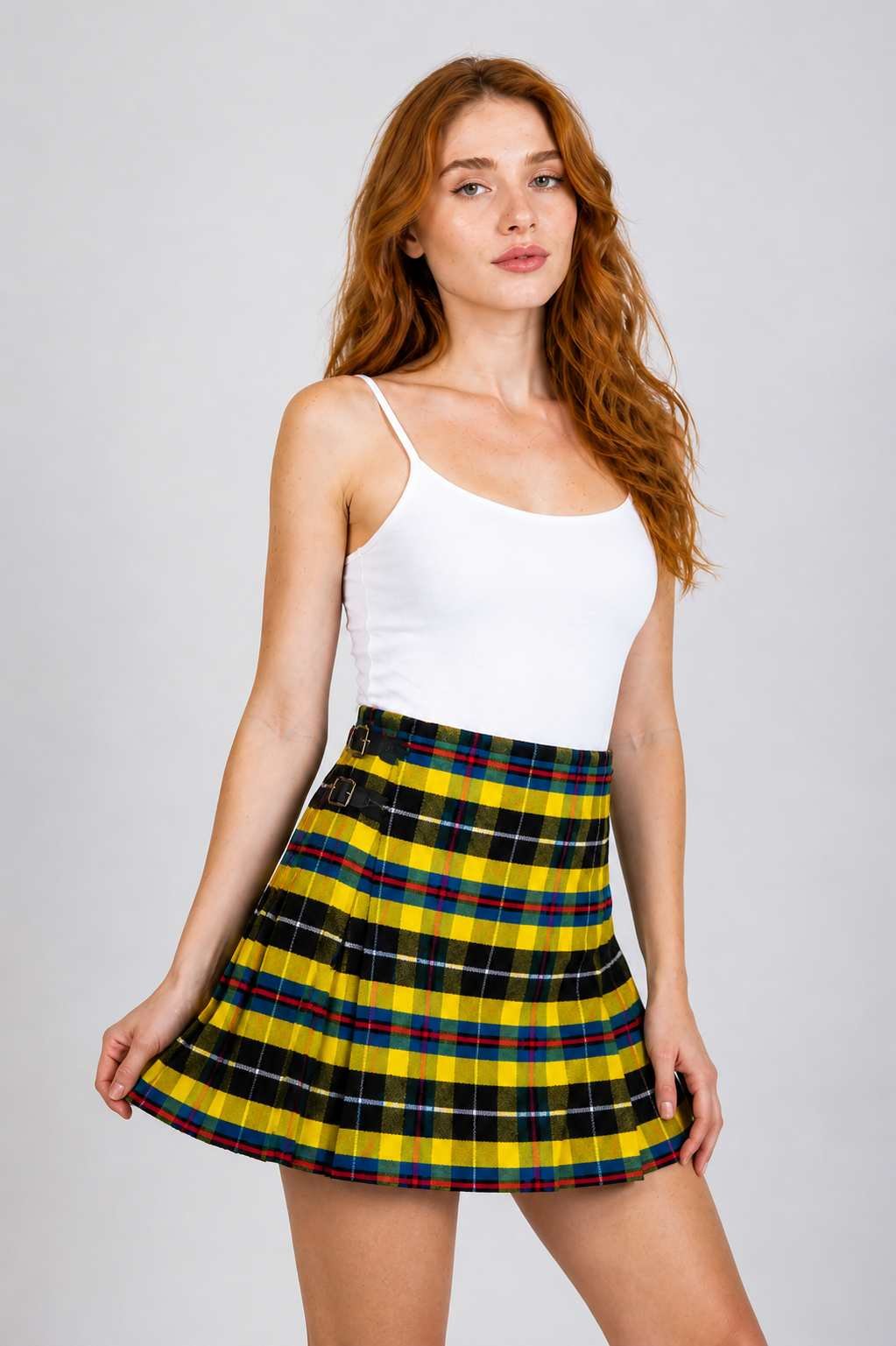
A growing number of women look for a women’s kilt skirt because it offers something slightly sharper and more tailored than softer flowing skirts. The pleats create cleaner lines. Waist detailing tends to feel more intentional. Buckles, straps, and hardware — when added carefully — give the garment a stronger visual identity.
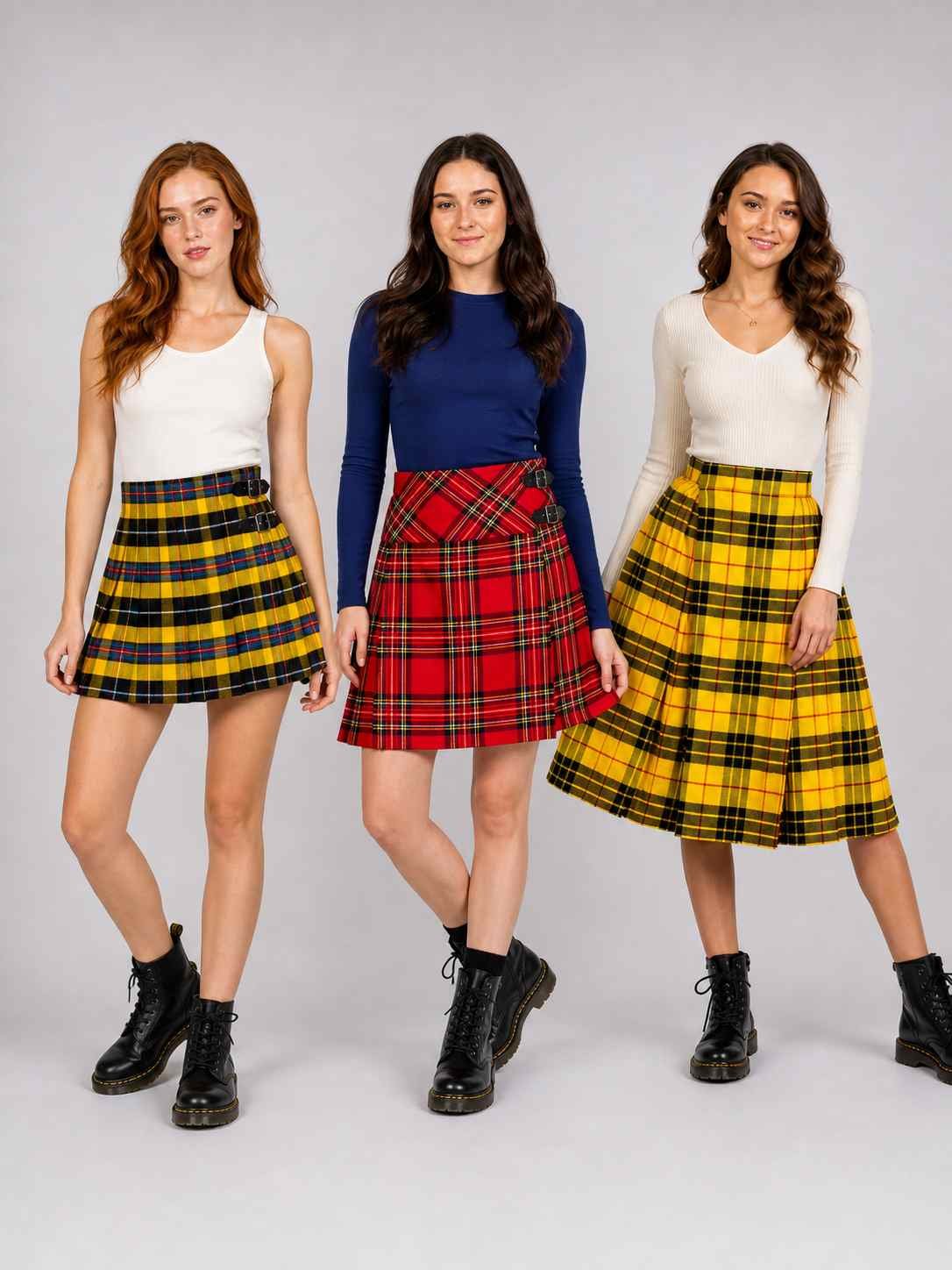
For younger shoppers, especially those interested in alternative fashion, a kilt skirt womens style often fits into layered outfits with boots, oversized sweaters, cropped jackets, or graphic tops. There’s flexibility there. The same skirt can feel polished one day and relaxed the next.
Then there are buyers who prefer longer silhouettes. A long kilt skirt works particularly well in cooler weather and tends to feel more elegant without becoming overly formal. Some longer styles carry a subtle historical influence, though many modern designs simplify the traditional details to make them easier for daily wear.
The demand for long ladies kilt styles has increased partly because people want garments that feel distinctive but still practical. Longer lengths provide warmth, comfort, and movement while keeping the structured appearance that kilts are known for.
It’s interesting how these pieces appeal to completely different age groups too. Teenagers style them one way. Older buyers style them another. Neither really looks wrong.
Materials Matter More Than Most People Think:
Fabric choice changes almost everything about how a kilt wears over time.
Traditional wool blends remain popular because they hold pleats extremely well and create that heavier, authentic drape associated with classic kilts. But wool is not always ideal for every climate or daily routine. Some people love it immediately. Others find it slightly too warm or structured for regular use.
That’s why many modern kilts now use acrylic wool blends, polyviscose fabrics, cotton, or mixed materials that soften the weight while keeping the appearance intact. A lighter fabric can make a skirt kilt easier to wear casually without feeling overdressed.
Cotton-blend kilts tend to feel more relaxed and breathable. Polyviscose versions usually resist wrinkles better and require less maintenance. Wool, though perhaps more demanding, still has that unmistakable texture and depth that many buyers associate with premium traditional clothing.
It really depends on what someone values most — authenticity, convenience, softness, durability, or year-round wearability.
The lining and stitching also matter more than many people realize. Poorly made pleats flatten quickly. Cheap waist closures loosen over time. Good craftsmanship isn’t always obvious in photos, but it becomes obvious after repeated wear.
Styling Without Making It Feel Costume-Like:
One concern people sometimes have before buying a kilt is whether it will feel too theatrical or difficult to style. Usually, that concern fades once they see how versatile modern designs have become.
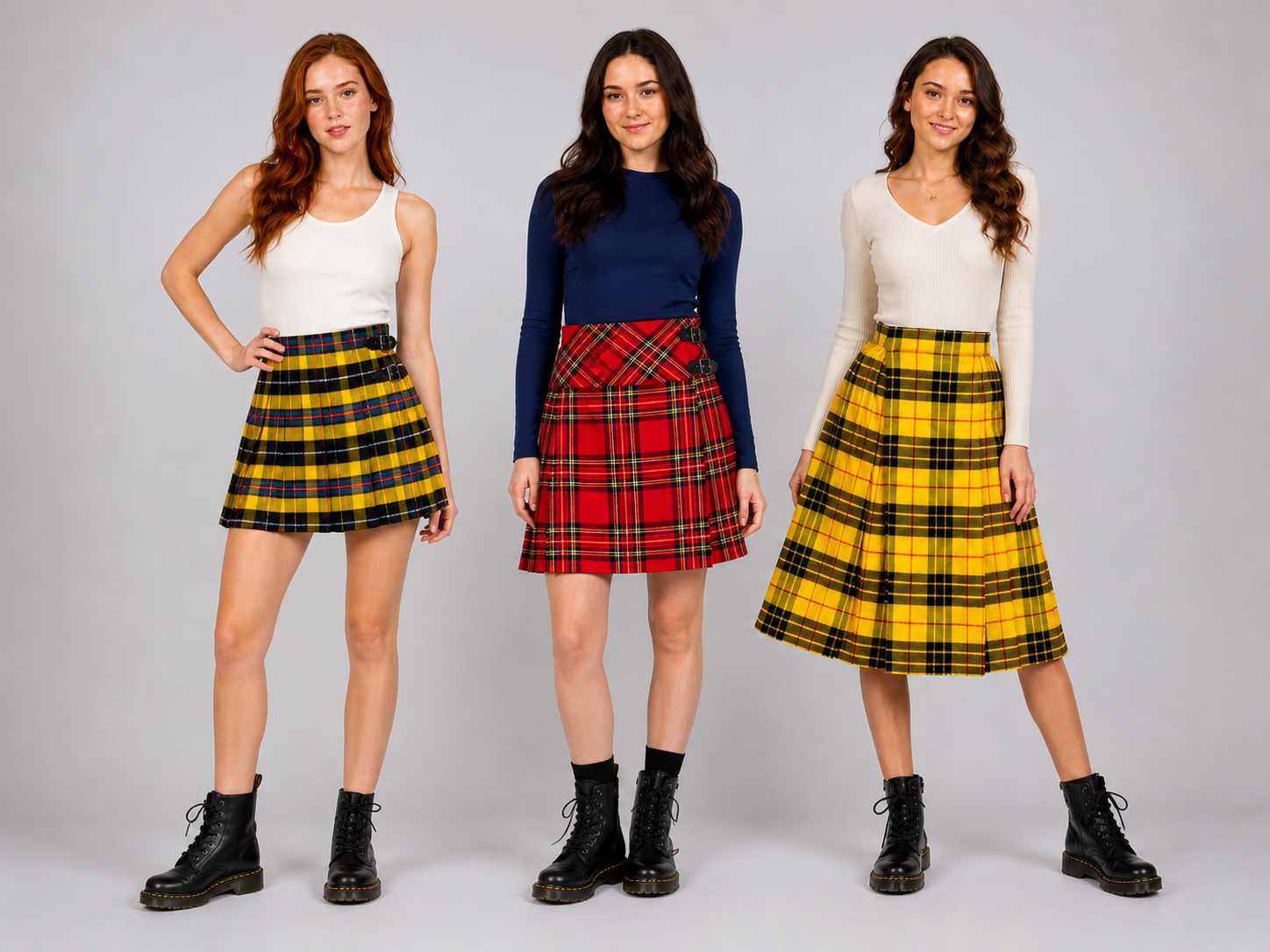
A shorter ladies kilt skirts style pairs naturally with boots, tights, fitted tops, or oversized outerwear. Longer silhouettes work well with knitwear, leather jackets, or even simple neutral shirts. The key is balance. Because the skirt already has visual structure, the rest of the outfit doesn’t need excessive detail.
That’s probably why minimalist styling works surprisingly well with tartan pieces. A plain black sweater can completely change how bold plaid appears. White shirts create a more traditional aesthetic almost automatically.
And while some shoppers fully embrace heritage styling, many simply integrate kilts into everyday wardrobes without treating them as statement pieces. In a way, that’s part of their appeal. They stand out quietly rather than aggressively.
Irish-Inspired Styles and Cultural Influence:
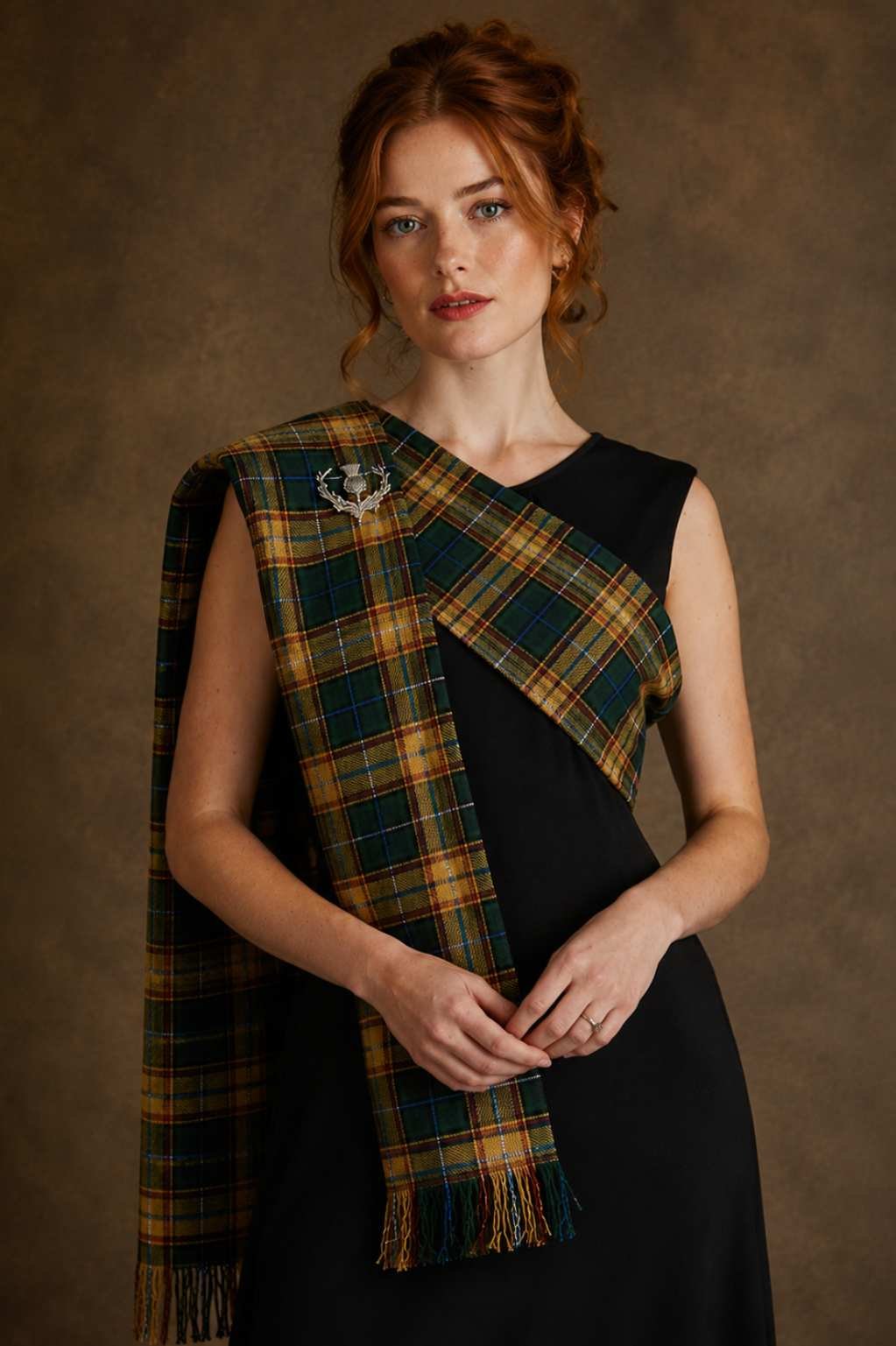
There’s also growing interest in Celtic and Irish-inspired fashion beyond Scotland alone. Searches for irish skirts for women have increased partly because people are exploring traditional-inspired clothing that still feels wearable in modern settings.
Irish-inspired skirts often lean slightly softer in styling compared to heavily structured Highland kilts, though there’s overlap between the two categories. Earth tones, darker plaids, forest greens, and antique-inspired hardware appear frequently in these designs.
Some buyers connect with the cultural history. Others are simply drawn to the textures and craftsmanship. Either reason is valid, honestly.
Fashion doesn’t always need a complicated explanation.
Buying Considerations That Actually Matter:
When shopping for a kilt or skirt online, measurements probably matter more than anything else. Kilts sit differently from standard skirts. Waist placement can vary depending on design, and pleated garments don’t always stretch the way knit fabrics do.
Length is another important factor. Shorter kilts tend to feel more casual or fashion-forward, while longer cuts create a more traditional or elegant silhouette. Neither is necessarily better.
It’s also worth paying attention to pleat style. Deep knife pleats create sharper movement and structure. Softer pleats feel more relaxed. Some buyers care about authentic tartan registration, while others simply prefer colors they can style easily with existing clothing.
Hardware details — buckles, chains, leather straps — can completely shift the look from classic to modern. Minimal hardware tends to age more gracefully in everyday wardrobes, though statement details definitely have their audience.
And perhaps this sounds obvious, but comfort matters. A kilt that looks great but feels restrictive usually ends up sitting in a closet after a few wears.
Why These Styles Continue To Last:
Trends come and go constantly, especially online. Yet kilts remain oddly consistent. They evolve a little, shift into new fabrics or silhouettes, then reappear again in different forms.
Maybe that happens because the structure itself already works. Pleats create movement. Tartan patterns add depth. The garments feel intentional without trying too hard.
A lot of modern fashion feels disposable after one season. Kilts don’t entirely fit into that cycle. A well-made kilt and skirt piece can stay wearable for years because the overall silhouette rarely becomes irrelevant.
That durability matters to some people more now than it did before.
Whether someone chooses a classic women’s kilt skirt, a heavier wool tartan design, a softer plaid variation, or a contemporary long kilt skirt, the appeal often comes down to the same thing: individuality without excessive effort.
And honestly, that’s harder to find in clothing than it should be.