Shop Authentic Celtic Attire For Men & Women
Traditional Celtic clothing inspired by history, handcrafted for modern wear.


What is Celtic Attire?
- history
- Celtic culture
- difference between Scottish attire & Celtic attire
- why kilts became iconic
Celtic Attire for Men
Whether you’re preparing for a Celtic wedding, Highland festival, Renaissance fair, family gathering, or simply appreciate traditional heritage clothing, our Celtic attire collection brings together authentic Scottish and Celtic-inspired garments for every occasion. Discover handcrafted kilts, jackets, shirts, dresses, accessories, and complete outfits designed for both men and women.



Customer Testimonials
Review Average!
The Best celtic attire
brand!
Explore Our Celtic Attire-Inspired Collection
Discover high-quality celtic attire crafted with precision and style, perfect for any occasion.


From sporrans to sgian-dubhs, elevate your kilt outfit with our accessories.
Create a one-of-a-kind kilt that reflects your individuality and heritage.
Surprise a kilt lover with a unique and memorable gift from our collection.
Frequently Asked Questions About Celtic Attire
Celtic Attire: Traditional Clothing With Real Roots:
Celtic attire isn’t just a costume category — it’s clothing that carries centuries of history in its stitching. When people search for celtic attire, they’re usually after something that looks authentic without feeling like it belongs in a theatre wardrobe. That’s really the line this kind of clothing has to walk, and it’s not always an easy one.
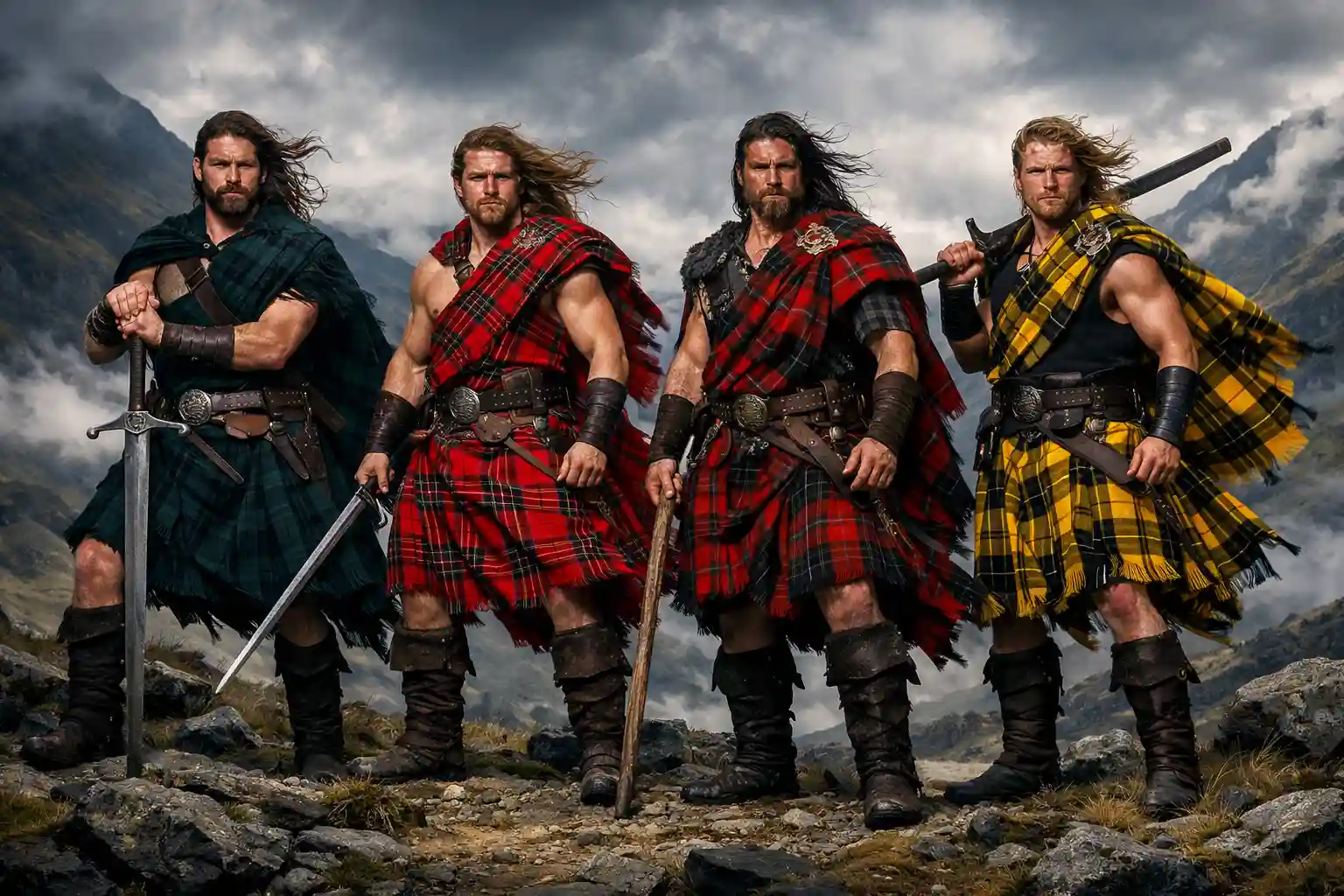
The Celtic world stretches beyond Scotland, if we’re being precise about it — Ireland, Wales, Brittany, Cornwall, the Isle of Man all share pieces of this heritage. So traditional Celtic attire pulls from a wider well than most people assume. Tartan kilts get most of the attention, sure, but ghillie shirts, tartan sashes, sporrans, and Highland jackets all belong to this same story. Even ancient Celtic attire, in its rougher, older form — think the great kilt, a single length of fabric wrapped and belted rather than tailored — still shows up today, mostly at Highland games or history-leaning events where people want something closer to the source.
Who Actually Wears This Stuff:
It’s easy to assume Celtic clothing is reserved for weddings and festivals, and honestly, a lot of it is worn there. But that’s not the whole picture anymore. Celtic attire for men has expanded into more everyday territory — a tartan kilt paired down with a plain shirt for a casual outing, or a lightweight utility kilt worn the way someone might wear cargo pants. There’s a practicality to some of these pieces that gets overlooked.
On the women’s side, celtic attire for women covers a fairly wide range too — mini kilts, knee-length tartan skirts, Celtic-style dresses, shawls and sashes for something more formal. Some women lean into the traditional silhouette, others want a modern cut that just nods to the heritage without fully committing to it. Both are valid, honestly. There’s no single “correct” way to wear it, despite what some purists might say.
Then there’s the crowd buying for a specific reason — a Highland festival, a Renaissance fair, a family reunion where the Scottish or Irish side of the family wants to show up in something meaningful. Burns Night is a big one too, if you’re not familiar — it’s practically an unofficial dress code event for anyone with even a loose connection to Scottish heritage.
What Makes These Pieces Worth Buying:
Material matters a lot here, maybe more than people initially think. A cheap kilt made from thin, synthetic tartan will hang wrong, lose its pleats fast, and honestly just look flat under any kind of light. Wool tartan, or a heavier poly-viscose blend, holds its shape and drapes the way a kilt is supposed to — with some weight and movement to it. Leather kilts are a separate thing entirely, aimed more at a rugged, modern aesthetic than at historical accuracy, and they’ve picked up a following of their own.
The construction side is where a lot of the value actually sits. Hand-stitched pleats, proper apron overlap, real buckles instead of plastic ones — these are the details that separate something that reads as authentic Celtic attire kilts from something that reads as a costume shop rental. It’s a bit like the difference between a tailored blazer and one bought off a clearance rack; both technically work, but one holds up.
Custom sizing is worth mentioning too, since off-the-rack kilts rarely fit the way they should. A proper kilt sits at the natural waist, not the hips, and that alone throws a lot of people off if they’ve only ever seen kilts worn loosely in movies. Getting waist, hip, and length measurements right makes a noticeable difference — it’s the kind of thing that seems minor until you’re standing in it.
Design Choices That Actually Mean Something:
Tartan choice is where a lot of the personal meaning comes in, in a way that’s kind of nice, honestly. Some people choose a clan tartan tied to family history. Others go with a district tartan, a military pattern, or just a color combination that feels right to them. There’s no rulebook requiring clan ancestry to wear a specific tartan — that’s more of a modern misconception than an actual tradition.
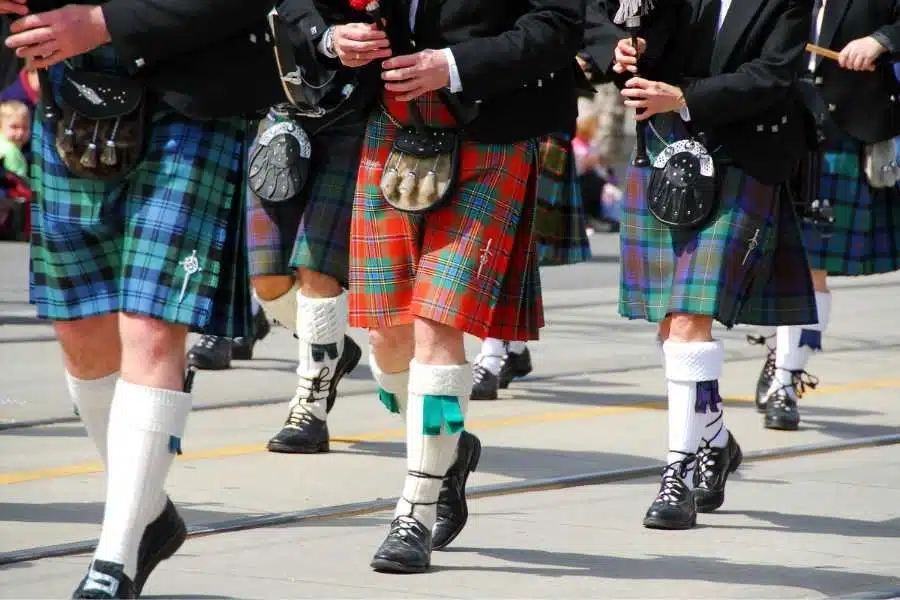
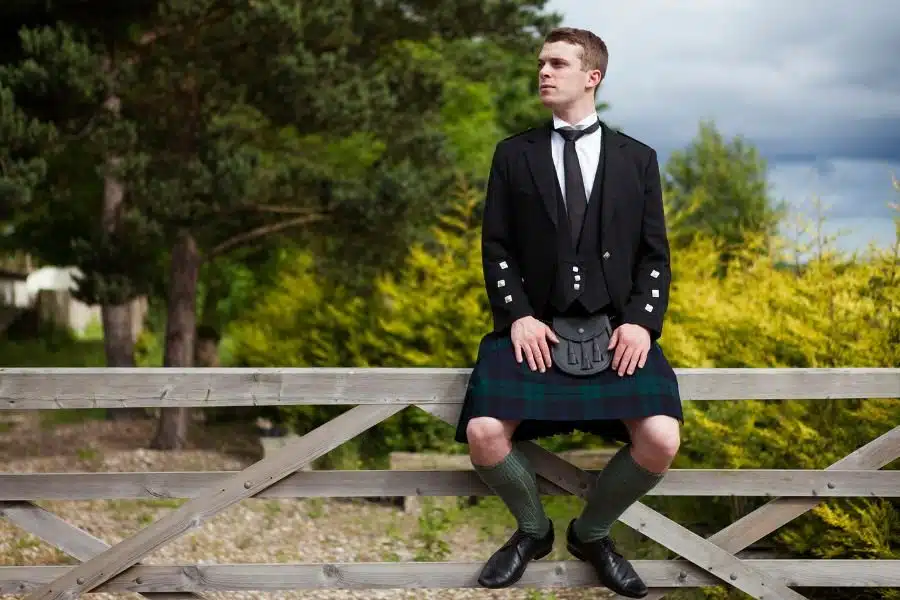
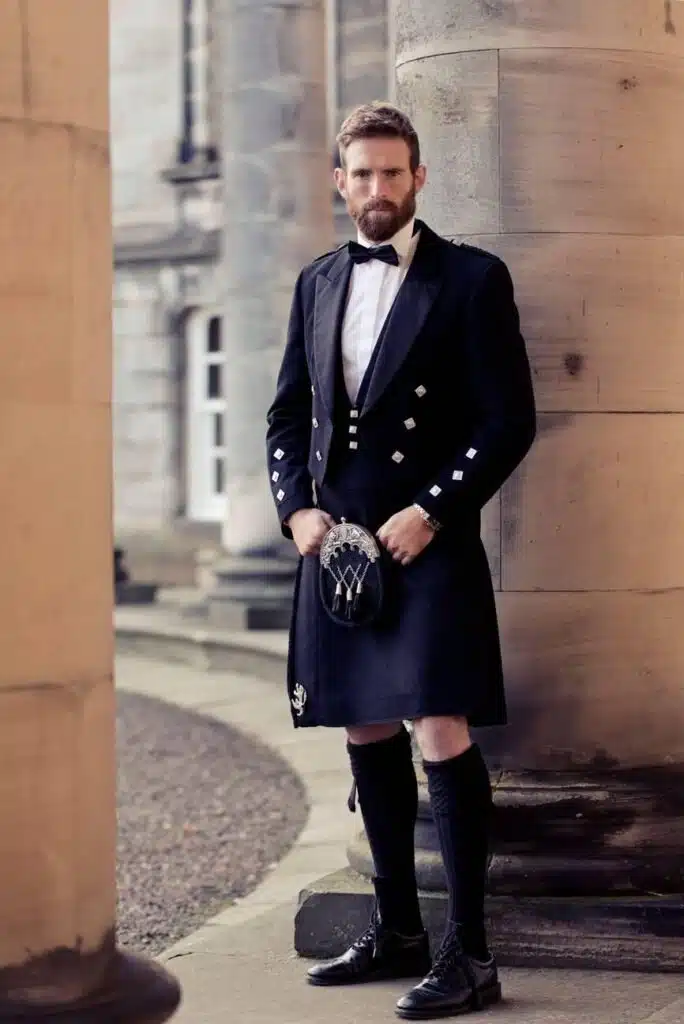
For men, a full Celtic outfit typically pairs the kilt with a sporran (which, functionally, is just a pouch since kilts don’t have pockets — a detail that surprises people who’ve never worn one), a kilt belt, hose, and either a ghillie shirt for something casual or a Prince Charlie jacket for formal occasions. Layering these pieces changes the whole tone of the outfit, from battlefield-rugged to wedding-appropriate, without changing the core garment at all.
Women’s Celtic attire leans more varied in silhouette — some pieces mirror the men’s kilt closely, others take more creative liberty with dress-style cuts, wrap skirts, or sash-draped looks. Accessories like brooches or Celtic-pattern jewelry tend to finish the outfit rather than define it.
A Few Things Worth Thinking About Before You Buy:
Fit is probably the biggest one. Since a lot of Celtic clothing — kilts especially — sits differently on the body than standard trousers or skirts, going by a regular size chart usually doesn’t work well. It’s worth taking the extra few minutes to measure properly rather than guessing.
Occasion matters too, in a low-key way. A heavyweight wool kilt built for a Highland games event isn’t necessarily what you want for a summer outdoor wedding — a lighter tartan blend might suit that better. And if the goal is everyday or semi-casual wear, a utility kilt or hybrid style probably makes more sense than a full formal outfit with jacket and sporran attached.
Then there’s the question of authenticity versus convenience — some people want the full traditional getup, others just want one or two pieces that nod to the heritage without going all in. Neither approach is wrong, it really depends on what the occasion calls for and how much of this style someone wants to actually live in day to day.
Shop celtic attire with an eye toward what you’ll actually use it for, and the rest tends to sort itself out — the right tartan, the right weight of fabric, the right fit. It’s less about finding “the best” piece and more about finding the one that fits your life, your event, or your heritage in a way that feels genuine rather than performative.