
The Ultimate Guide To Choosing The Perfect Custom Made Kilt
A custom-made kilt is more than clothing. It’s a statement.
If you want it to fit right and look sharp, you need to make smart choices.
Here’s how to pick the perfect one.
Know Why You Want a Custom Kilt
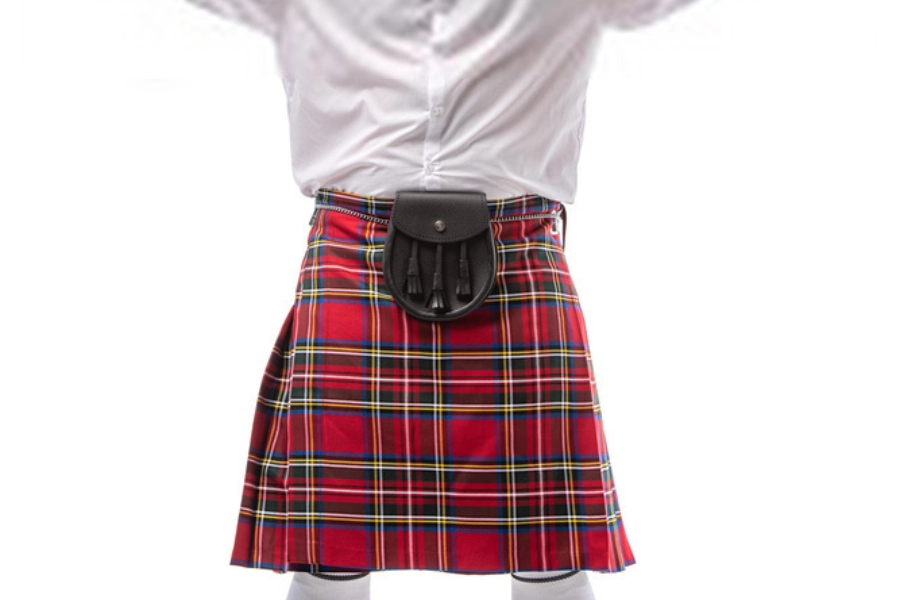
Start with the reason.
- Are you wearing it for a wedding?
- Do you want something for everyday use?
- Are you replacing an old kilt that never fit well?
Custom kilts solve problems off-the-rack kilts can’t.
You control the size, tartan, pleats, and features.
Decide on The Tartan
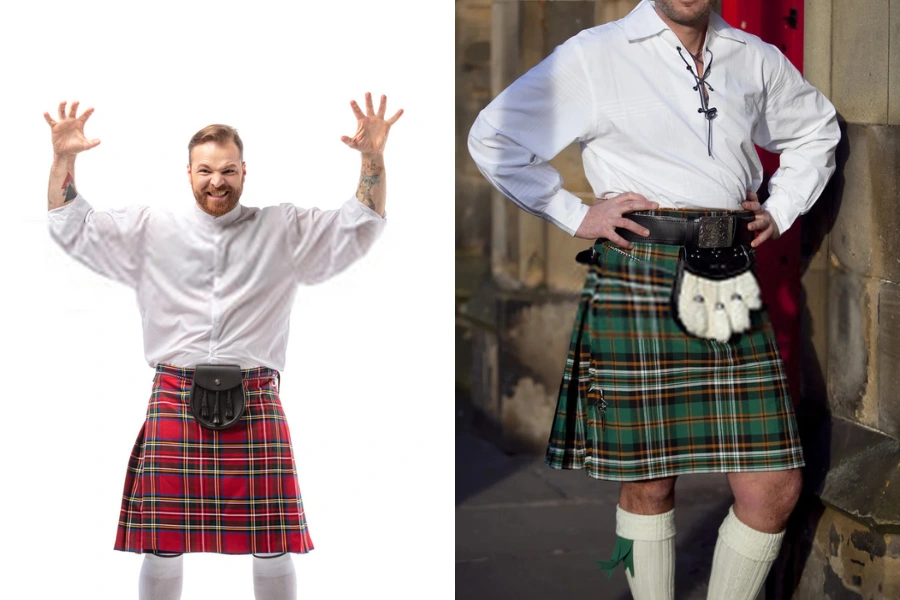
The tartan is the first thing people notice.
Family Tartan:
- Choose this if you know your clan or surname.
- Many shops offer over 1,000 clan tartans.
District or Regional Tartan:
- Good if you want to represent a region or birthplace.
Modern or Universal Tartan:
- Go this route if you don’t have a clan or want something unique.
- Black Watch and Pride of Scotland are popular neutral options.
Want to stand out? Choose a tartan with bold contrasts.
Prefer a quiet look? Pick muted tones.
Visit a store or look online for tartan previews. Some sites offer 3D kilt previews.
Pick the Right Fabric Weight
Tartan kilts come in different weights.
- Lightweight (10-11 oz): Easy to wear. Good for casual use and hot weather.
- Medium weight (12-13 oz): Most common for formal wear.
- Heavyweight (15-16 oz): Traditional, with strong pleats. Best for ceremonial events.
Where will you wear it?
If you’ll be outside in warm weather, avoid the heavy stuff.
For winter weddings or Highland games, go heavier.
Choose The Type of Pleats
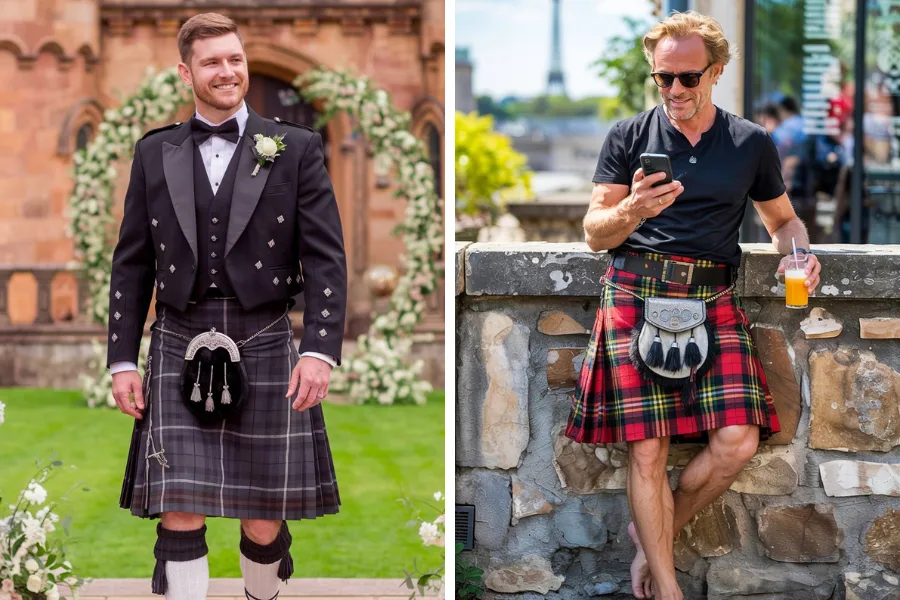
You get to choose how your kilt is pleated.
Pleated to the Sett:
- Keeps the tartan pattern across the back.
- Good for showing off symmetry.
Pleated to the Stripe:
- Highlights one vertical stripe.
- Makes a strong visual line down the back.
Which do you like better? Try both with sample photos.
You’ll know when it looks right.
Measure Yourself Correctly
Custom kilts require accurate body measurements.
Don’t guess. Use a tailor’s tape.
You’ll need:
- Waist: Around your natural waist, not your jeans line.
- Hip: Widest part of your seat.
- Kilt length: From your waist to the middle of your knee.
Stand straight. Don’t suck in or slouch.
Ask someone to help if needed.
Most mistakes in custom orders come from wrong measurements.
Take your time. Double-check.
Choose Your Kilt Style
There are a few custom styles to pick from.
Traditional Tartan Kilts:
- Made from wool.
- Ideal for formal events.
- Often worn with jackets, sporrans, and hose.
- Lighter material.
- Less fabric and fewer pleats.
- Better for everyday wear.
Hybrid Kilts:
- Mix tartan panels with utility features.
- Ideal if you want pockets or contrast.
- Not tartan.
- Made from cotton or canvas.
- Includes cargo pockets, loops, and modern hardware.
Your lifestyle decides which one works best.
Do you want to hike, dance, or work in your kilt?
Choose the function first.
Pick Your Custom Features
This is where a custom order kilt stands out.
Options include:
- Belt loops or none
- Number of pleats
- Deep sewn pleats
- Fringe options
- Matching flashes
- Hidden pockets
Do you wear a belt often? Then ask for belt loops.
Want a sleek look? Skip them.
Think about comfort and look. Do you need room for movement? Ask for extra depth in pleats.
Everything should fit your use, not someone else’s standard.
Choose The Fastenings and Hardware
Don’t overlook the buckles.
Most kilts have:
- Two leather straps and buckles on the right
- One leather strap and buckle on the left
Some let you choose:
- Brass or chrome
- Black or brown straps
Match the metal to the rest of your outfit.
Wearing a silver kilt pin? Go with silver buckles.
Every part should work as a set.
Don’t Forget The Accessories
If you’re investing in a custom made kilt, think about the full outfit.
Sporran: Pick formal, semi-dress, or casual depending on use
Belt and Buckle: Match with buckle hardware
Kilt Hose: Usually black, cream, or colored to match tartan
Flashes: These hold your hose up and add a visual accent
Ghillie Brogues: Traditional shoes, optional for casual wear
Jacket and Waistcoat: Argyll for semi-formal, Prince Charlie for formal, Tweed for daywear
Every piece should tie together.
Planning a wedding look? Order everything together to match colors.
Work With a Trusted Maker
Where you order your kilt matters.
Look for sellers that:
- Offer real wool fabric
- Let you choose your tartan and options
- Provide measurement guides
- Show sample photos or past work
- Offer clear turnaround times
Many custom kilts take 3 to 6 weeks to make.
Ask questions before you buy.
Can you make changes later?
Will they confirm your measurements?
Will they send a swatch first?
Avoid sellers that only offer standard sizes and call it “custom.”
Real custom means made for your body.
Check Reviews and Photos
Read what other buyers say.
Look for:
- Fit accuracy
- Fabric quality
- Color match to online photos
- Time taken from order to delivery
If the reviews are vague, it’s a red flag.
Look for detailed customer feedback with photos.
See if customers mention good communication and help with sizing.
How Much Should You Spend?
Custom kilts aren’t cheap. But they don’t have to break the bank.
Expect to spend:
- $100–$200 for budget kilts (usually casual)
- $250–$400 for proper wool tartan kilts
- $500+ for high-end ceremonial kilts
Ask yourself:
- Will I wear it once or many times?
- Am I investing in family heritage?
- Does fit and fabric matter to me?
Price matters, but so does value.
A well-made kilt can last 10+ years.
Poorly made kilts fall apart fast.
Try a Sample Order First
Not sure if it’s right?
Start with a simple custom kilt in a budget tartan.
See how the maker works with your measurements.
Then upgrade later for formalwear.
This lowers the risk and helps you learn what works for your body.
Custom Tartan Kilts for All Sizes
Custom kilts are made to fit anyone.
No matter your waist size or height, a good kilt maker will match your build.
You won’t need to adjust or settle for “close enough.”
That’s the power of custom.
What to Avoid
Don’t rush. Don’t guess.
Avoid:
- Ordering without measuring
- Choosing a tartan just because it’s trending
- Mixing formal and casual pieces
- Ignoring the pleat options
- Picking the cheapest option without checking quality
One wrong step can ruin the look.
Stay patient. Choose based on fit and purpose.
Ask Yourself These Questions
- Do I want a wool kilt or a lighter fabric?
- Will I use it for formal events or casual outings?
- What tartan reflects me or my heritage?
- What fit will keep me comfortable?
- How long do I want this to last?
The answers will guide you.
Own Your Style
Your kilt should fit your body and reflect your taste.
You don’t need to follow anyone else’s rules.
You just need to know what you like and wear it with purpose.
A custom made kilt lets you do exactly that.
From the tartan to the last buckle, it’s built for you.
Make it count.