Feileadh Mòr: Understanding The Original Great Kilt
The feileadh mòr—often written as feileadh mor—is one of those garments that feels bigger than it looks. Not because it’s flashy, or complicated in design, but because it carries a lot of quiet history. And emotion, if we’re honest. Even people who aren’t deeply interested in Highland dress tend to pause when they see one. There’s something about it. Maybe it’s the movement of the fabric. Maybe it’s the fact that it looks unfinished, in a deliberate way.
At its core, the feileadh mor is the original Highland kilt. Not the tailored version most people recognize today, but the older, looser form. The one that came first. It wasn’t created to be elegant or symbolic. It was created to be useful. Everything else came later.
That practicality still shows, even now.
What Is a Feileadh Mor Kilt, Really?
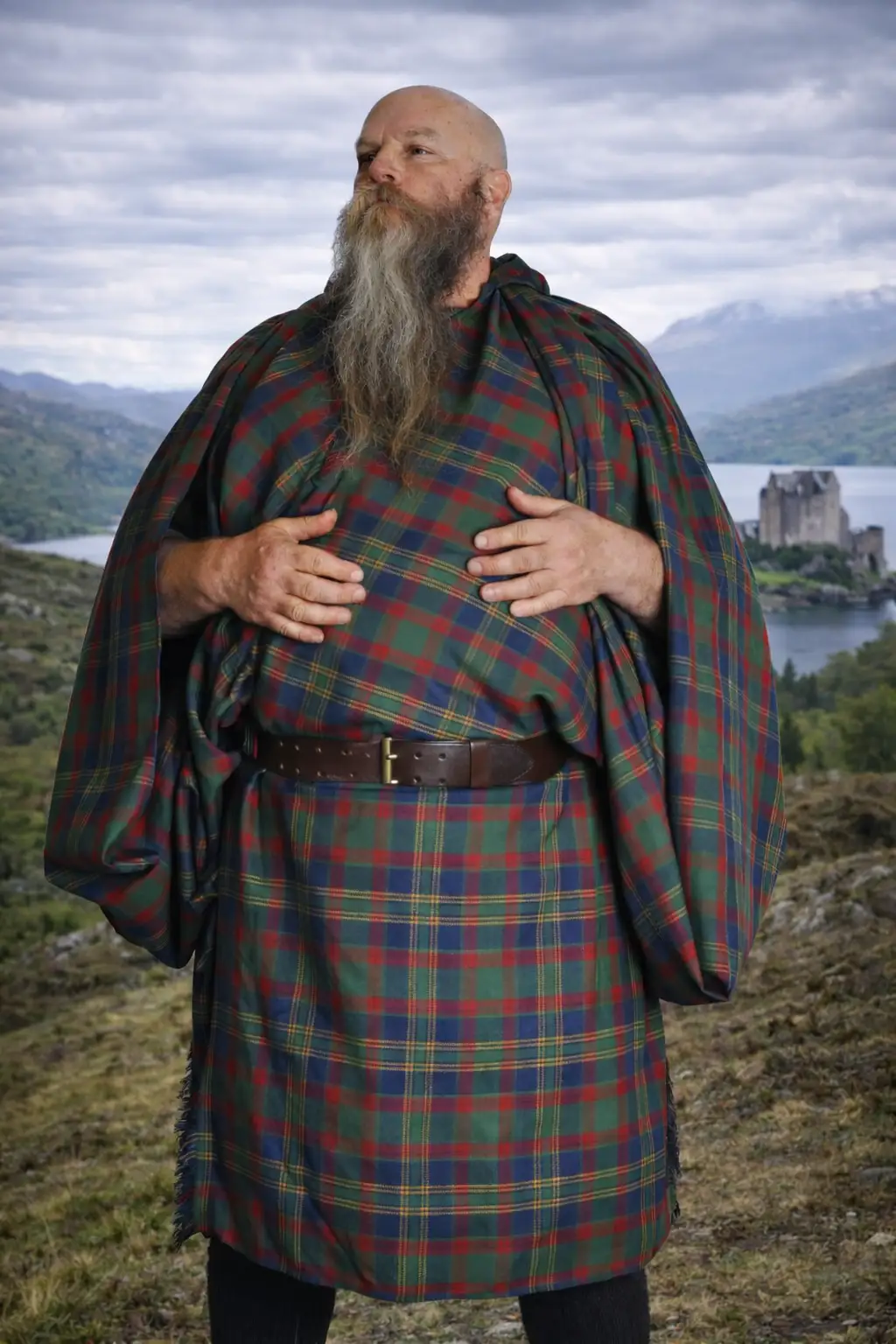
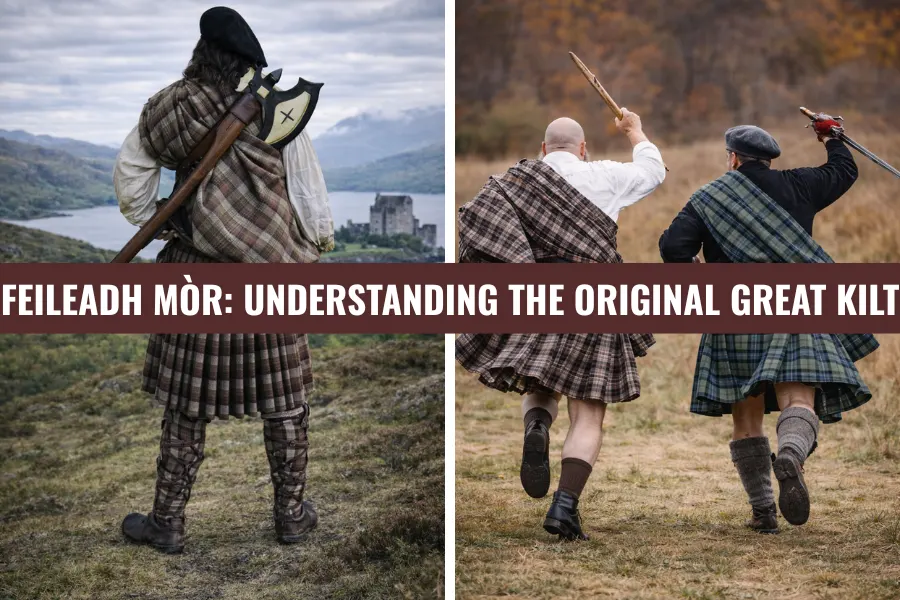
A feileadh mor kilt is essentially a long piece of tartan wool—usually six to eight yards—wrapped around the body and pleated by hand each time it’s worn. There’s no permanent stitching. No fixed pleats. Nothing is locked into place.
At first, that sounds inconvenient. And maybe it is. But that flexibility was the whole point.
The lower half wraps around the waist like a kilt, while the upper portion can be thrown over the shoulder, wrapped around the torso, or even pulled up for warmth. It’s clothing, outerwear, and bedding all in one. Which sounds excessive until you imagine living in the Scottish Highlands centuries ago. Then it starts to make sense.
I’ve always thought it must have taken patience to learn how to wear it properly. Not the romantic kind of patience, either. The practical, everyday kind. The sort you build when you have no alternative.
The History Behind The Feileadh Mòr
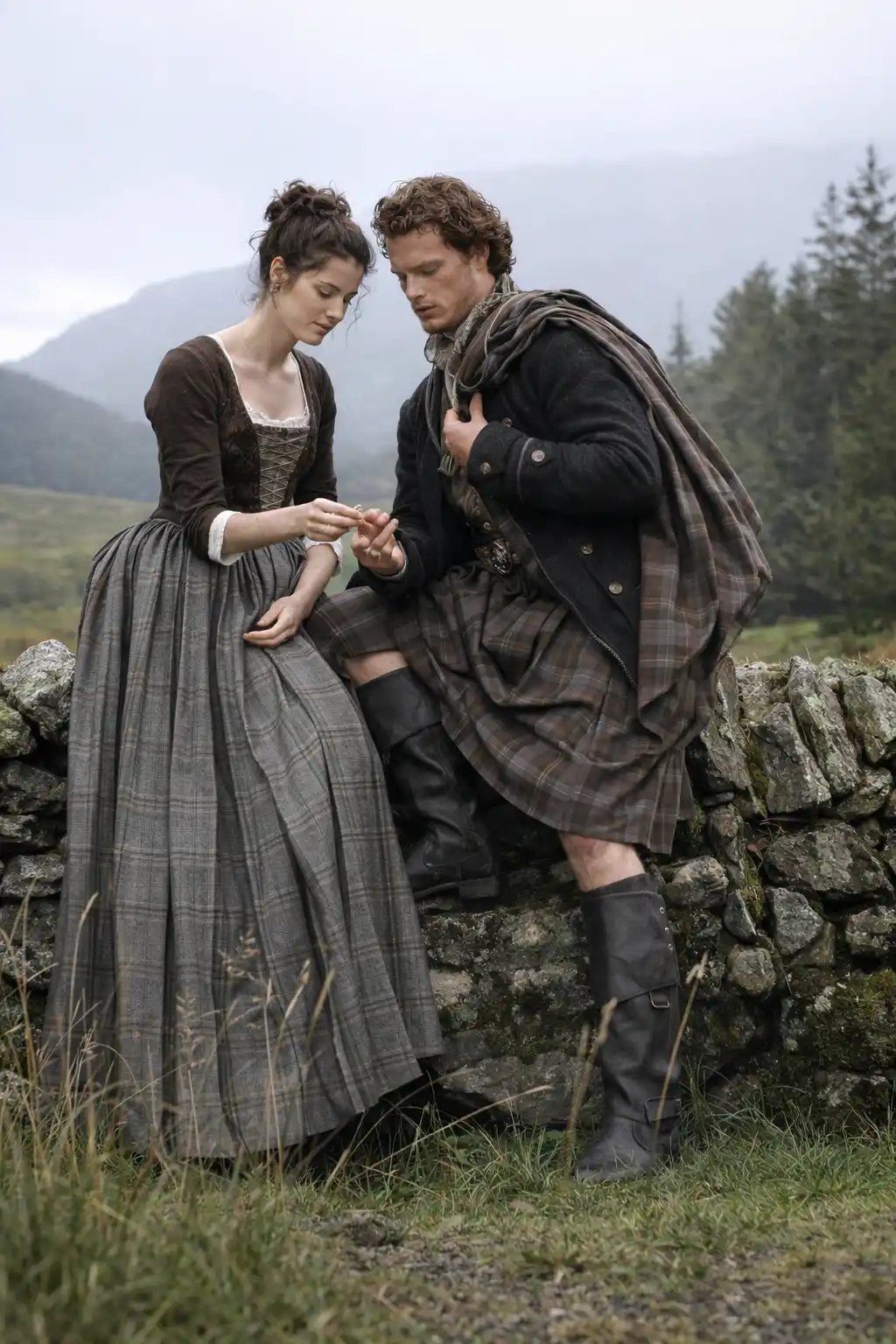
The feileadh mòr is generally traced back to the 16th century, though exact dates are debated. And that uncertainty feels fitting. Highland culture wasn’t obsessed with documentation. What mattered was what worked.
Early Highlanders needed clothing that could handle rain, wind, cold nights, and long days outdoors. Wool did that job well. A single, adaptable garment did it even better.
Interestingly, early tartans weren’t strict clan identifiers. They were influenced by local dyes, regional weaving techniques, and available materials. The feileadh mhor wasn’t about declaring who you were. It was about surviving where you lived.
That meaning shifted over time, of course. By the 18th century, Highland dress—including the feileadh mòr—had become politically charged. After the Jacobite uprisings, it was banned under the Dress Act of 1746. Clothing was suddenly dangerous. Or at least symbolic enough to be treated that way.
That ban didn’t erase the garment, but it did change its future.
Feileadh Mòr vs Modern Kilt: A Subtle but Important Difference
When people talk about kilts today, they’re usually referring to the feileadh beag, the smaller, tailored kilt. It’s sewn. Structured. Easier to wear. And honestly, easier to sell.
The feileadh mor is different. It requires involvement. You don’t just put it on—you prepare it. Lay it out. Pleat it. Adjust it. And sometimes redo it because it doesn’t feel quite right.
Some people find that frustrating. Others find it grounding.
I go back and forth on it myself. On one hand, convenience matters. On the other, there’s something oddly satisfying about wearing something that asks for attention. That doesn’t let you rush.
Why The Feileadh Mhor Still Matters Today
You don’t see the feileadh mhor as everyday clothing anymore. That era is gone. But it hasn’t disappeared. It shows up at Highland games, reenactments, weddings, and cultural events. Sometimes worn with deep respect. Sometimes worn imperfectly—and that’s okay.
In a modern context, wearing a feileadh mòr is a choice. You’re not doing it because you must. You’re doing it because you want to connect with something older. Less polished. Less optimized.
There’s a slight contradiction there. Wearing an ancient garment in a modern, symbolic way. But traditions often survive through contradiction. Maybe they need it.
Feileadh Mor For Sale: What To Look For
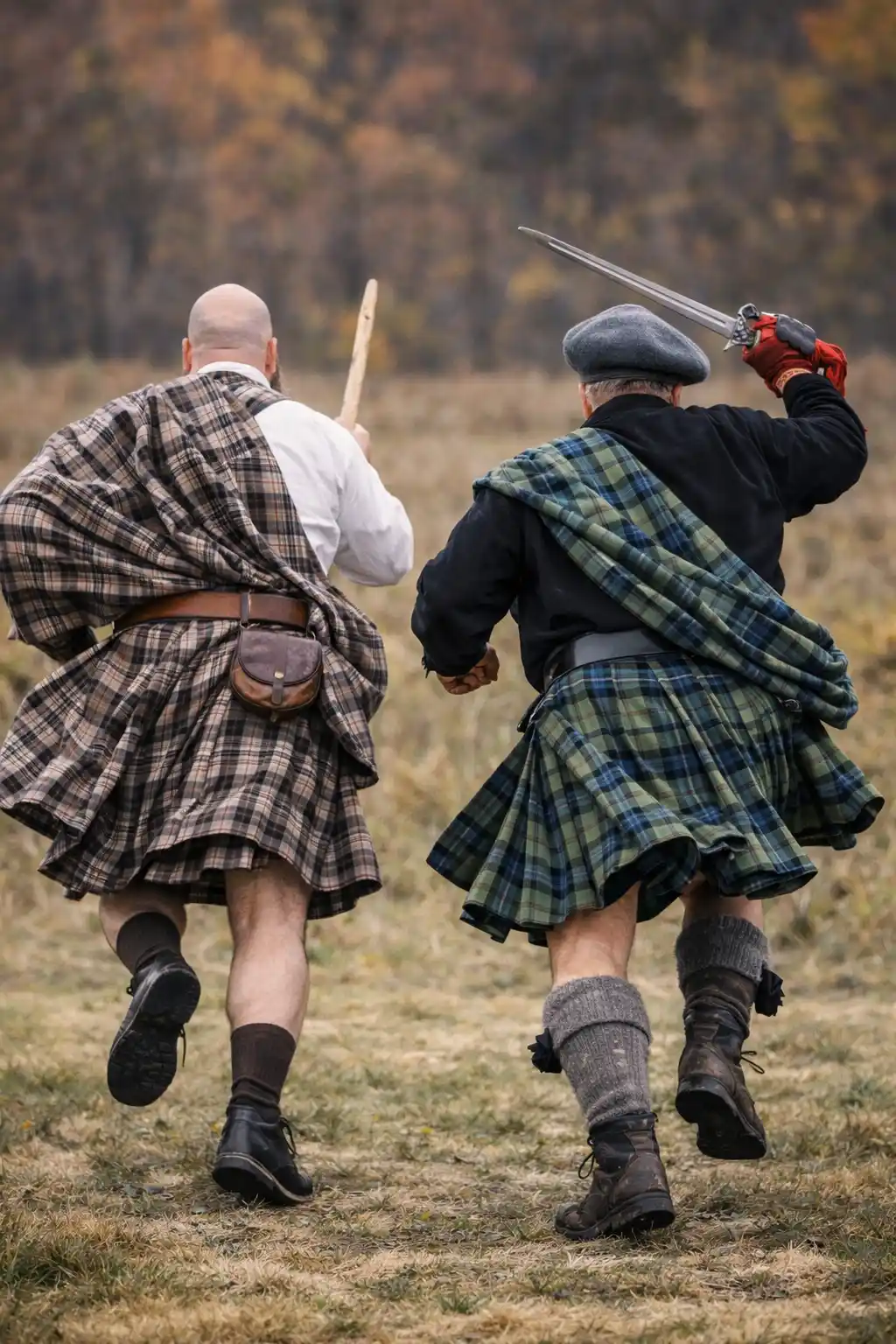
If you’re searching for feileadh mor for sale, it’s worth slowing down and paying attention to a few details.
First, fabric matters. Traditional feileadh mòr kilts are made from heavy tartan wool. Not lightweight. Not blended. Wool that can hold pleats and provide warmth. If it feels too thin, it probably won’t behave the way a Great Kilt should.
Second, length matters. A feileadh mor isn’t a standard size garment. It depends on your height, build, and how you plan to wear it. Many sellers offer guidance, but it still requires some thought.
And third, tartan choice. Whether you prefer a clan tartan, a regional pattern, or something chosen purely for color, there’s no single “correct” answer. Historically, there never was.
That flexibility is part of the garment’s DNA.
Wearing a Feileadh Mòr: An Experience, Not Just an Outfit
People often talk about how a feileadh mor looks. But what’s more interesting is how it feels.
You move differently. You’re more aware of the fabric. Of how you sit. How you walk. It’s not restrictive, exactly, but it’s present. Constantly reminding you it’s there.
Some find that uncomfortable. Others find it grounding. I think both reactions are fair. The feileadh mhor doesn’t try to disappear into the background. It asks to be acknowledged.
And maybe that’s why it’s still worn, centuries later.
Final Thoughts on The Feileadh Mòr
The feileadh mòr isn’t perfect. It’s heavy. It takes time. It doesn’t always behave. But that imperfection feels honest.
In a world where clothing is increasingly disposable and optimized for speed, the feileadh mor kilt stands apart. It’s slower. More involved. Slightly inconvenient. And somehow, more human because of it.
Perhaps that’s the real reason it endures. Not because it’s practical anymore, or fashionable in a modern sense—but because it reminds us that clothing once carried more than style. It carried daily life. Weather. Work. Identity.
And even now, folded over a shoulder or wrapped around the waist, the feileadh mòr still seems mid-thought. Not finished. Not fixed. Just waiting for the next person to wear it their own way.